
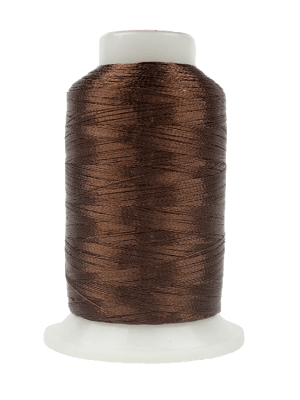
 Spotlite™ 40wt Rayon-Core Metallic Thread MT8839 - Nutty Brown
 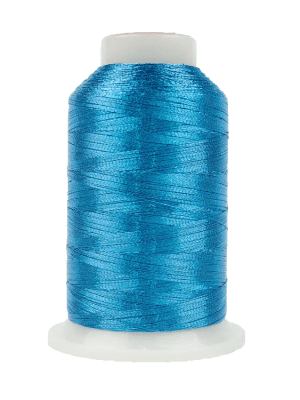 Spotlite™ 40wt Rayon-Core Metallic Thread MT8849 - Aqua
 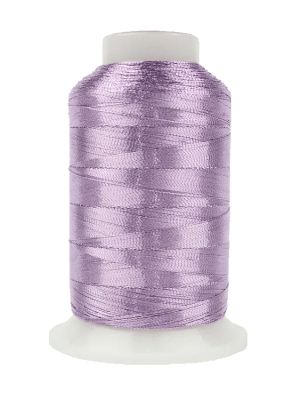 Spotlite™ 40wt Rayon-Core Metallic Thread MT8873 - Lavender
 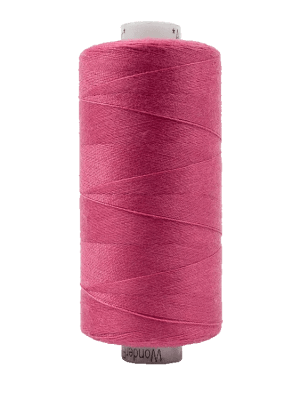 Designer™ 40wt All-Purpose Polyester Thread DS247 - Wild Fire
 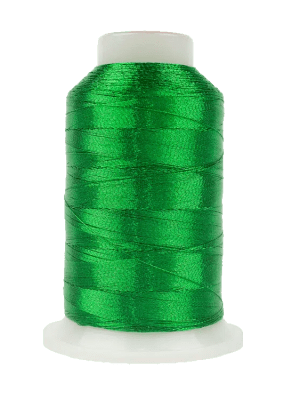 Spotlite™ 40wt Rayon-Core Metallic Thread MT8867 - Green
How to Box Corners for Bags
@NationalSewingCircle
@SpencerOgg
Step-by-Step Instructions:
Learn how to box corners for bags to create crisp, professional-looking depth at the base of tote bags, pouches, and handbags—perfect for beginners and advanced sewists seeking sturdy structure and clean finishes.
Materials Needed:
- Exterior fabric (woven cotton canvas, denim, home décor, or cork)
- Lining fabric (woven cotton)
- Interfacing or stabilizer (e.g., medium-weight fusible, foam, or Decovil depending on bag structure)
- Sewing machine and matching thread
- Fabric scissors or rotary cutter and mat
- Quilting ruler or seam gauge
- Fabric marking tool (chalk, frixion pen, or washable marker)
- Pins or clips
- Iron and pressing surface
- Optional: Wonder Tape or fabric glue stick for precision
- Optional: Walking foot for thick layers
Tips for Perfect Boxed Corners
- Pre-interface first: Apply interfacing to the exterior and/or lining before boxing corners for cleaner cuts and consistent structure.
- Square, not guess: Use a quilting ruler to mark perfect squares so both corners match and the bag stands evenly.
- Seam allowance matters: The depth of your boxed corner depends on how much you cut off—2 in (5 cm) cut-out yields about a 4 in finished base width; adjust to your design.
- Press seams open: Press side and bottom seams open before boxing to reduce bulk at the intersection and get a flatter corner.
- Nest seams for accuracy: When aligning side and bottom seams, “butt” them together to keep the corner point centered.
- Clip notches for bulky fabrics: Tiny snips at the seam allowance intersection help thick fabrics spread and lie flat.
- Test on scrap: Make a mini mockup to confirm desired depth before cutting into your bag panels.
1. Plan Your Boxed Depth
- Decide the finished depth of your bag base (common: 2–6 in).
- Convert the finished depth to your cut-out size: divide the desired finished base width by 2 (e.g., 4 in base = 2 in square cut-out).
- Note: This method works for two common constructions: cutting squares from corners, or marking a triangle across the seam and stitching.
2. Prep and Sew the Body Seams
- With right sides together, stitch the side seams and bottom seam of your bag exterior using your pattern’s seam allowance (often 1/2 in or 3/8 in).
- Press seams open to reduce bulk.
- Repeat for the lining if you’re making a lined bag, leaving an opening in the lining bottom for turning later.
3. Method A – Cut-Out Square Corners (fast and beginner-friendly)
- From each lower corner of the bag body (still wrong side out), measure and mark a square equal to half your desired base width (e.g., mark a 2 in x 2 in square for a 4 in base).
- Align the square so one side sits along the bottom edge and one side along the side edge.
- Carefully cut out the marked squares on both lower corners.
- Open each corner and pinch so the bottom seam lines up with the side seam, forming a flat triangle.
- Nest or butt the seams together; secure with clips.
- Check that the triangle’s opening measures exactly your cut-out size across; adjust if needed.
- Stitch across the corner perpendicular to the seam at your chosen seam allowance (commonly 1/2 in), backstitching at both ends.
- Optional: Trim the seam to reduce bulk and finish with zigzag or serger.
4. Method B – Sew-Then-Measure Triangle (no cut-out; great for directional prints)
- Leave corners uncut. From the corner, pull the layers apart and align the side seam with the bottom seam to form a triangle; finger-press flat.
- Use a ruler to measure from the tip of the triangle down along the seam; mark a line across the triangle where the width equals your desired boxed depth (the cross line length equals the finished base width; e.g., 4 in).
- Ensure the line is centered on the seam intersection and perfectly perpendicular to the seam.
- Stitch along the marked line and backstitch.
- Optional: Trim the excess triangle to 3/8–1/2 in and finish the raw edge, or leave it in place for added structure..
5. Repeat for All Corners
- Complete both lower corners of the exterior.
- Repeat for the lining corners (use the same measurements so the lining fits smoothly inside the exterior).
6. Press and Shape
- Press the boxed seams toward one side or open, depending on bulk and interfacing.
- Turn the bag right side out and gently shape the corners to square them.
- Check the bag stands evenly; if not, re-check measurements and seam alignment.
7. Finish the Bag Assembly
- Insert the lining into the exterior, right sides together; align side seams and top edge; stitch to attach as your pattern directs.
- Turn through the lining opening; press the top edge and edgestitch if desired.
- Close the lining opening with a narrow topstitc
8) Troubleshooting Common Issues
- Uneven base: Confirm both cut-outs or stitch lines are identical and seams were nested.
- Twisted corners: Ensure side and bottom seams align perfectly before stitching across.
- Bag won’t stand: Increase interfacing weight (foam or sturdier stabilizer) or increase boxed depth for a wider footprint.
- Fraying at corner seam: Finish trimmed seam allowances or use pinking shears on woven fabrics.
