Boning and Corsetry
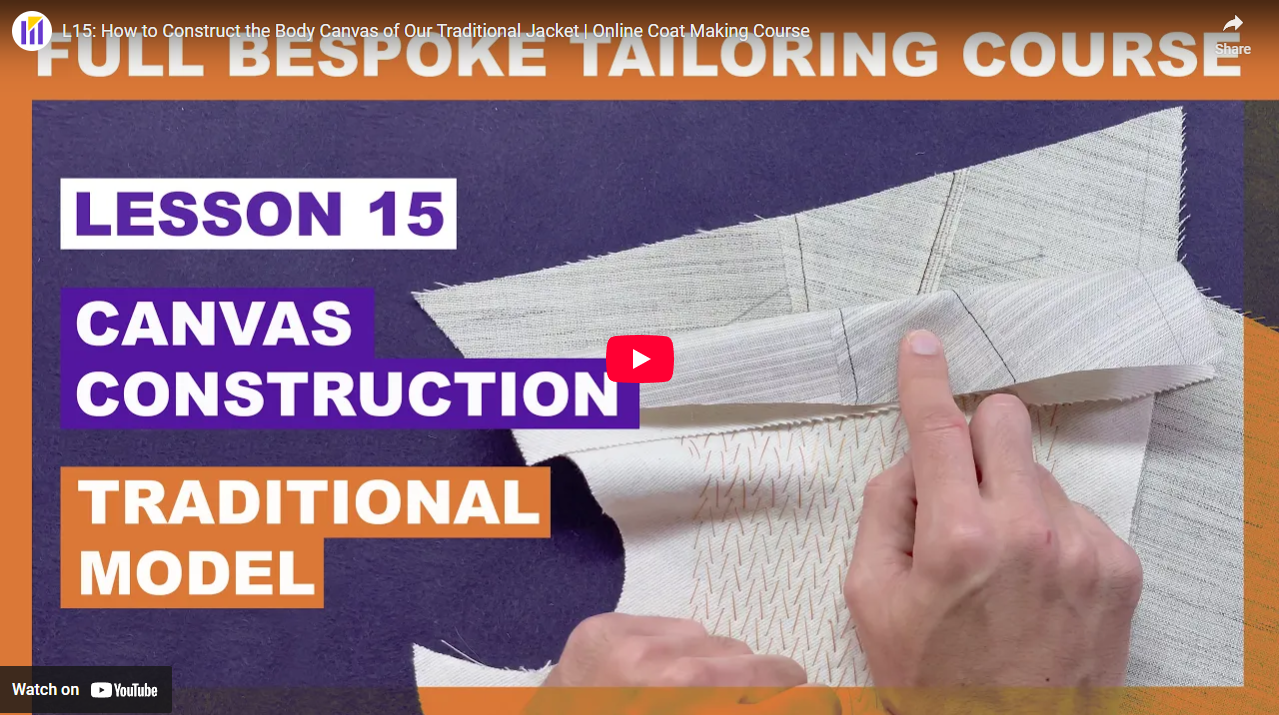
@Dressmaking.Academy
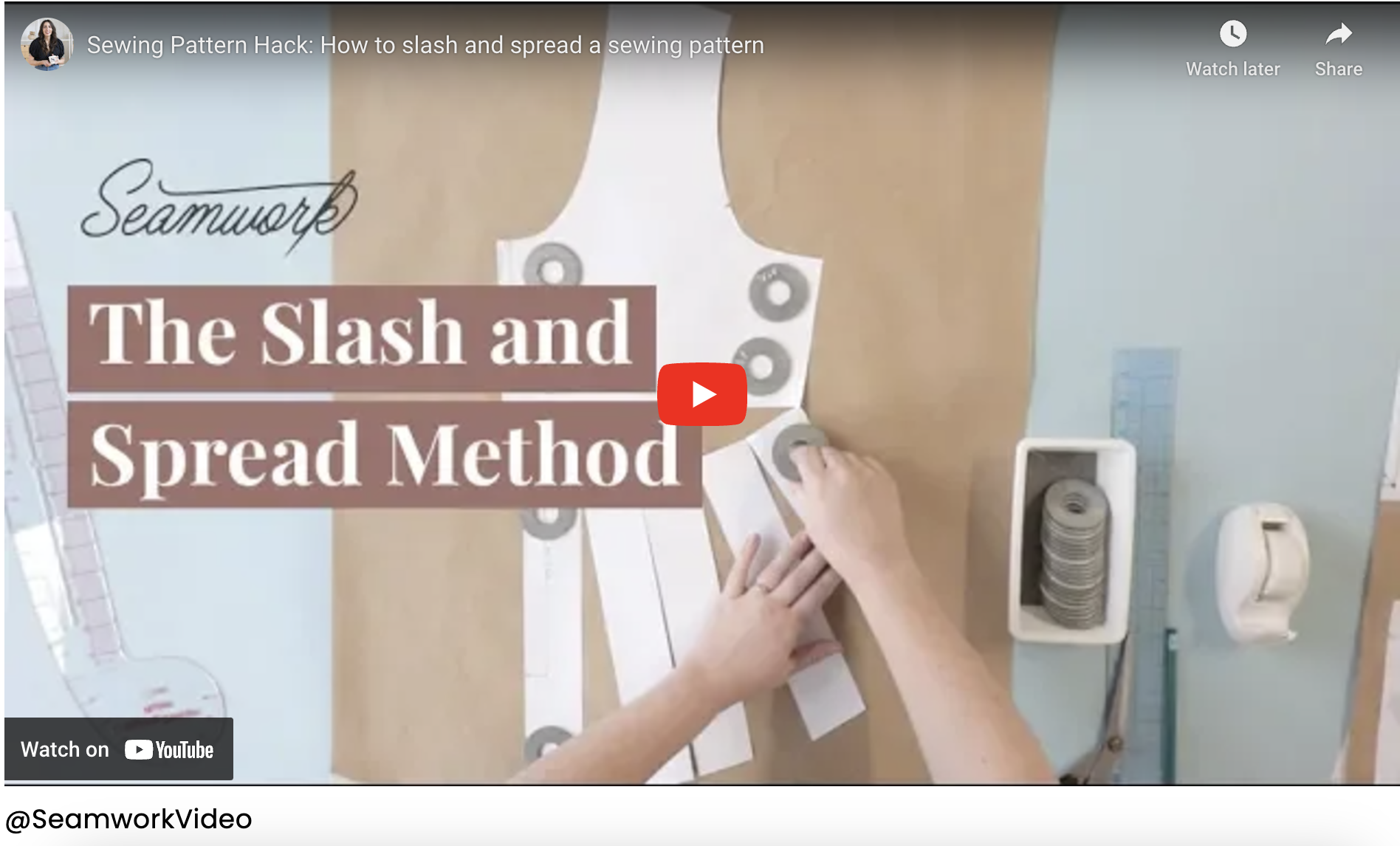
@kemafrik
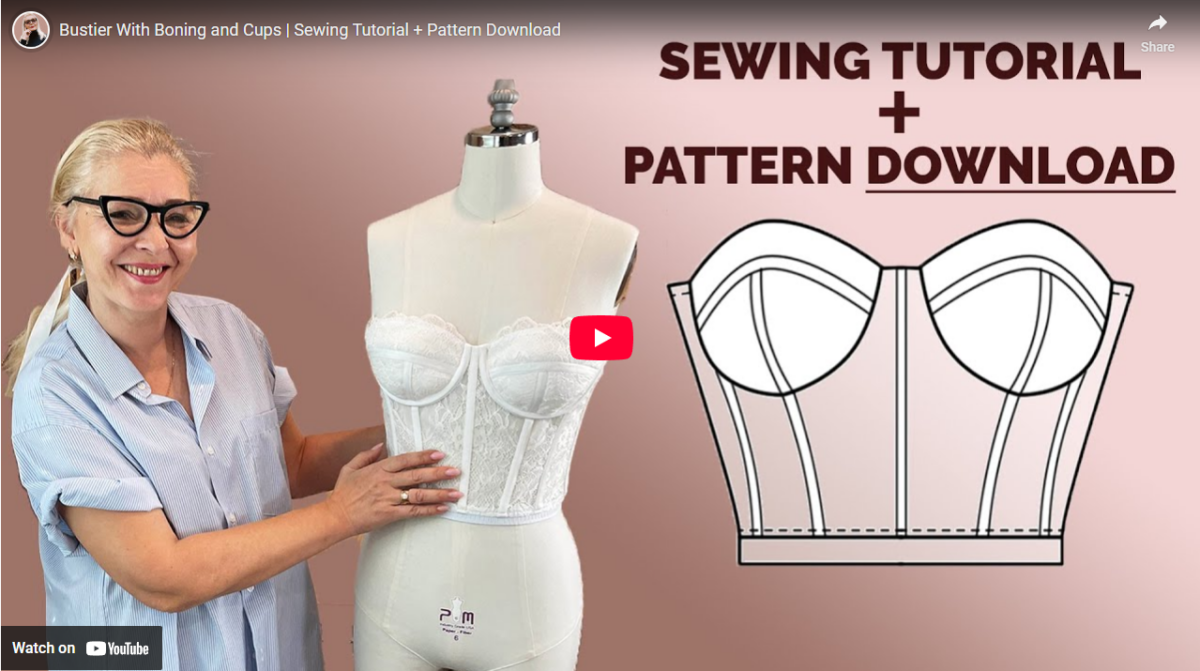
@SarahSpaceman
Step-by-Step Instructions:
Learn how to use boning in corsetry with this easy step-by-step guide designed to help you add structure, shape, and support to bodices, bustiers, and historical or modern corsets.
Materials Needed:
- Fabric for corset (coutil, twill, or other sturdy woven fabric)
- Lining fabric (optional but recommended for comfort and durability)
- Boning (steel, spiral steel, plastic, or synthetic whalebone)
- Boning casing (twill tape, bias tape, or channeling)
- Interfacing (if needed for stability)
- Sewing machine and matching thread
- Measuring tape
- Fabric scissors or rotary cutter
- Chalk or fabric marking pen
- Pins or clips
- Grommets and grommet setting tools (for lacing)
- Lacing cord or ribbon
- Pattern specifically designed for a corset
Tips Before You Begin:
- Choose spiral steel or plastic/synthetic boning for areas requiring flexibility and flat steel boning for straight lines and firm support.
- Always finish raw edges or line your corset for a clean interior and increased wearability.
- Pre-wash your fabrics (except coutil) to prevent shrinking or warping after construction.
- For beginners, start with plastic boning or rigilene before progressing to steel boning.
- Use a corset-specific pattern to ensure proper shaping and support; standard bodice patterns won’t provide the same result.
1. Prepare and Cut Your Fabric
- Select a corset pattern that includes seam allowances and boning placement.
- Cut your outer fabric, lining fabric, and interfacing (if using) according to the pattern.
- Transfer all boning and seam markings to your fabric using chalk or a fabric marker.
2. Assemble the Corset Panels
- Pin and sew the corset panels together, following the seam order outlined in your pattern.
- Press seams open or to one side as instructed.
- For multi-layer corsets, sew the outer fabric and lining separately, then baste them together at the edges.
3. Add Boning Channels
- Sew boning casing directly on top of the seams (external casing) or between layers (internal casing), making sure channels are slightly wider than your boning.
- Double-stitch the casing for strength, especially if using steel boning.
4. Insert Boning
- Cut boning to the correct length, subtracting ½ inch from the finished channel length.
- File or cap the ends of metal boning to prevent fabric damage.
- Slide the boning into the channel, ensuring it reaches both ends but doesn’t stress the stitching.
5. Secure Boning and Finish Edges
- Close the open end of each boning channel by stitching across the top or using bias tape.
- Finish the top and bottom edges of your corset with bias binding or a facing.
- Press all seams and edges carefully for a professional finish.
6. Add Grommets and Lacing
- Mark grommet placement evenly along the back opening.
- Use an awl or hole punch to create holes, then install grommets using a press or hammer and setter.
- Lace the corset using strong ribbon or corset cord in a criss-cross or spiral pattern.