
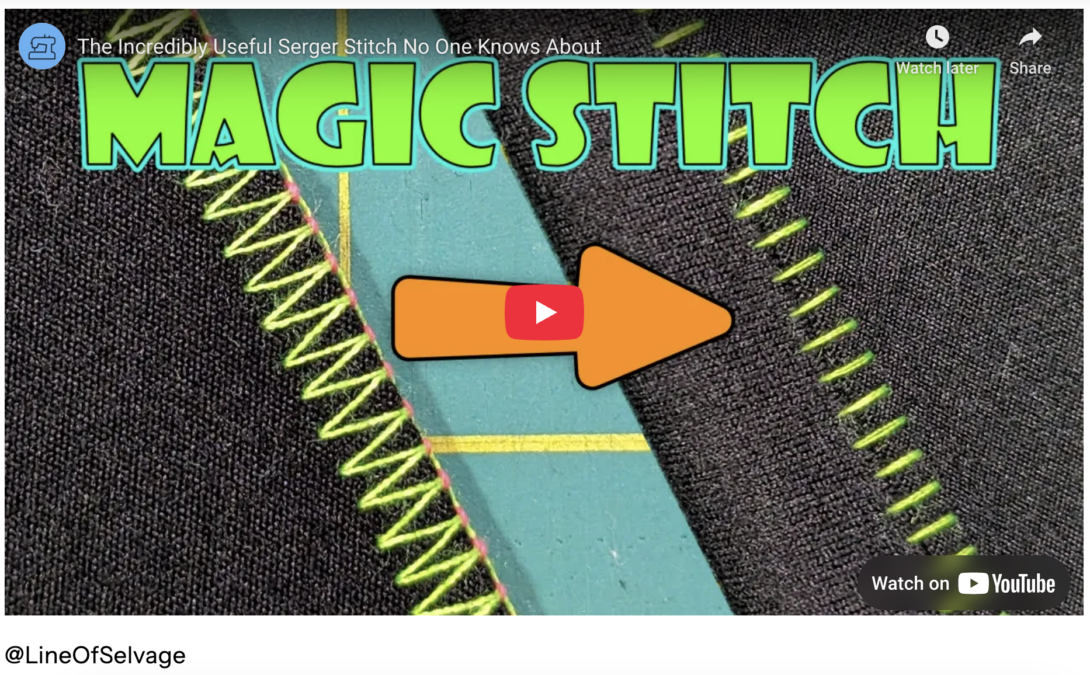
How to Sew Flatlock Seams
(serger technique)
@LineOfSelvage
@AngelaWolf
@SewingPartsOnline
Step-by-Step Instructions:
Master the flatlock seam technique on your serger for professional-looking, flexible seams perfect for activewear, knits, and flat, decorative finishes.
Materials Needed:
- Two pieces of knit or stretch fabric
- Serger/overlocker with flatlock capability
- Thread (polyester or wooly nylon for stretch)
- Serger manual (for model-specific settings)
- Fabric clips or pins
- Iron and pressing surface
- Seam gauge or ruler
- Scrap fabric for testing
Tips for Perfect Belt Loops:
- Use high-quality stretch thread in the loopers for decorative or soft-feel finishes.
- A wide 3-thread flatlock stitch works best for garments, while narrow stitches are great for decorative applications.
- Always test your stitch on a fabric scrap to check the tension and stitch width before sewing your actual project.
- Adjust the serger’s tension by loosening the needle tension and tightening the looper tensions to get the signature flatlock look.
- Use a differential feed if your fabric is stretching or puckering during stitching.
1. Set Up Your Server for Flatlocking
- Select the 3-thread flatlock setting on your serger (usually left needle and both loopers).
- Set your left needle tension to low (0–2) and looper tensions to high (5–7) as a starting point.
- Reduce stitch length slightly (around 2.0–2.5) and choose a wide stitch width if possible.
- Disengage the blade if you don’t want to trim fabric, or leave it engaged for a clean edge.
2. Align and Pin Your Fabric
- Place fabric pieces wrong sides together for a visible flatlock seam or right sides together for an invisible seam.
- Align the raw edges and clip or pin if needed—though most serger sewing doesn’t require heavy pinning.
- Make sure the fabric edge aligns just with or slightly under the cutting blade if it’s engaged.
3. Sew the Flatlock Seam
- Begin serging slowly, keeping the fabric edge steady and flat as you feed it through.
- Let the machine trim about ⅛” if the blade is active to keep edges even.
- After stitching, gently pull the fabric layers apart to “flatten” the seam—this spreads the loops and gives the signature ladder stitch on one side and a flat stitch on the other.
4. Press and Finish
- Use a warm iron (with pressing cloth if needed) to press the seam flat for a crisp, professional look.
- Trim any loose thread tails or secure them by threading into the seam with a tapestry needle.
- Optional: topstitch or reinforce if extra durability is needed, though most flatlock seams hold well on their own.