
Heirloom Sewing: Fine Fabrics
@ginasberninasewingcenter2375
@londasews
@SeamworkVideo
Step-by-Step Instructions:
Master the art of sewing heirloom fine fabrics—such as cotton batiste, silk organza, and Swiss voile—for garments and keepsakes that showcase exquisite detail and lasting beauty.
Materials Needed:
- Fine fabric of choice (cotton batiste, voile, lawn, organdy, or silk)
- Lightweight 100 % cotton or polyester thread
- Size 60/8 or 70/10 Microtex needles
- Water-soluble or air-erase fabric marker
- Spray starch or liquid stabilizer (optional for extra control)
- Fine glass-head pins or silk pins
- Pressing cloth and tailor’s ham
- Sharp fabric scissors or rotary cutter
- Sewing machine with straight-stitch plate (optional but recommended)
- Thin tear-away stabilizer or tissue paper for tricky seams
Tips Before You Begin:
- Pre-wash and press all fabrics to remove sizing and prevent later shrinkage.
- Handle fabric gently—always support it fully when moving from machine to ironing board.
- Use a single-hole throat plate to prevent fabric from being pulled into the feed dogs.
- Lengthen stitches slightly (2.5–3 mm) on very sheer fabrics to reduce puckering.
- Press, don’t iron—lift and lower the iron with steam rather than sliding it across the cloth.
1. Prepare and Stabilize the Fabric
- Lightly mist fabric with spray starch and press to add body without stiffness.
- For extremely sheer pieces, place a layer of tear-away stabilizer or tissue under the fabric before cutting and stitching to prevent distortion.
2. Mark and Cut Accurately
- Use a fine-tip water-soluble pen for marking; avoid heavy chalk that can shift delicate fibers.
- Cut with sharp dressmaker shears or a rotary cutter to achieve clean, fray-free edges.
3. Select the Right Needle and Thread
- Insert a size 60/8 Microtex needle for ultra-fine cottons or silks; move up to 70/10 for slightly heavier lawns.
- Choose high-quality thread in a matching color; cheap thread can snag and cause tension issues.
4. Adjust Machine Settings
- Fit a straight-stitch plate if available, reducing the needle hole to avoid fabric “chewing.”
- Lower presser-foot pressure slightly; test on scraps until the fabric feeds smoothly.
- Set stitch length to 2.0–2.5 mm for seams, lengthening to 3 mm for topstitching or gathering rows.
5. Sew Seams With Precision
- Guide fabric gently—do not pull—letting the feed dogs move it under the foot.
- For seams that will be pressed open, consider French or narrow rolled seams to encase raw edges invisibly.
- Trim seam allowances to ¼ in (6 mm) before finishing to minimize bulk.
6. Press for a Crisp Finish
- Place a damp pressing cloth over the seam and press using the tip of the iron.
- Support curves with a tailor’s ham to maintain garment shape without stretching.
- Allow fabric to cool completely before further handling to set the press.
7. Add Heirloom Details (Optional)
- Incorporate lace insertion, pintucks, or hand embroidery after main seams are stitched and pressed.
- Use the same fine needle and stabilizer methods for embellishment to retain the fabric’s delicate hand.
8. Hem With Care
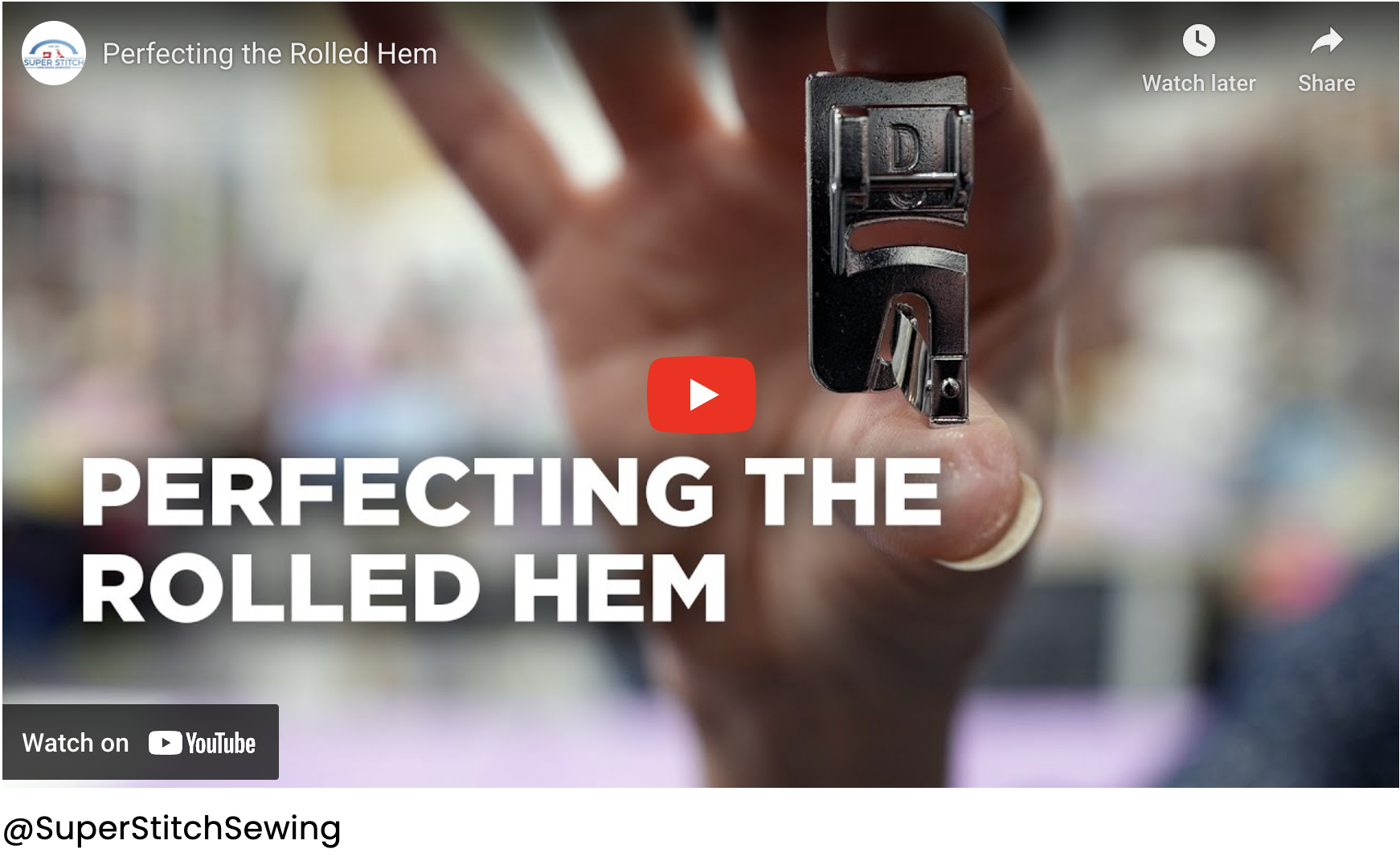
- Narrow rolled hems or baby hems work best on sheer fabrics: fold ⅛ in twice, press, and stitch.
- For a perfectly flat hem, stitch a line ⅛ in from the raw edge, press on the stitching line, fold again, and topstitch.