
How to Sew a Buttonhole by Machine
@SewEssential
@BlueprintDIY
Step-by-Step Instructions:
Learn how to sew a buttonhole with a sewing machine. Perfect for beginners, this tutorial covers materials, tips, and troubleshooting to help you create professional buttonholes with ease.
Materials Needed:
- Sewing machine with a buttonhole function
- Buttonhole presser foot
- Fabric (medium-weight cotton recommended for practice)
- Interfacing (for added stability)
- Matching thread
- Fabric marking pen or chalk
- Small scissors or seam ripper
- Ruler or measuring tape
- Button (to determine buttonhole size)
Tips for Sewing a Perfect Buttonhole:
- Use interfacing – Adding interfacing prevents the fabric from stretching and ensures crisp buttonholes.
- Test on scrap fabric – Always sew a test buttonhole on the same fabric to check the stitch settings before sewing on your final project.
- Mark the buttonhole placement – Use a ruler and fabric chalk to ensure even, properly aligned buttonholes.
- Use the right needle and thread – A universal needle (size 80/12) works well for most fabrics, and polyester thread adds durability.
Troubleshooting Common Buttonhole Issues
- Buttonhole is too small – Adjust the stitch length or use a slightly larger setting.
- Fabric bunches up – Add more interfacing or lower the stitch speed.
- Uneven stitches – Check thread tension and clean the machine if needed.
- Machine won’t sew a buttonhole – Ensure the buttonhole lever is lowered (if applicable) and the correct foot is attached.
1. Prepare Your Fabric and Mark the Buttonhole
- Apply interfacing to the wrong side of your fabric if needed.
- Place the button on the fabric and mark its width with chalk or a fabric pen.
- Add a little extra length (⅛ inch or 3mm) for ease.
- Draw guide lines to ensure straight stitching.
2. Set Up Your Sewing Machine
- Attach the buttonhole presser foot to your machine.
- Select the buttonhole stitch setting (usually labeled with a buttonhole icon).
- If your machine has an automatic buttonhole feature, place the button in the presser foot slot to determine the correct size.
- Lower the buttonhole lever (if your machine has one)Lower the buttonhole lever (if your machine has one).
3. Sew the Buttonhole
- Align the fabric under the presser foot, matching the marked lines.
- Lower the presser foot and begin sewing – the machine will automatically create the buttonhole in four steps:, you can topstitch along the other folded edge for symmetry.
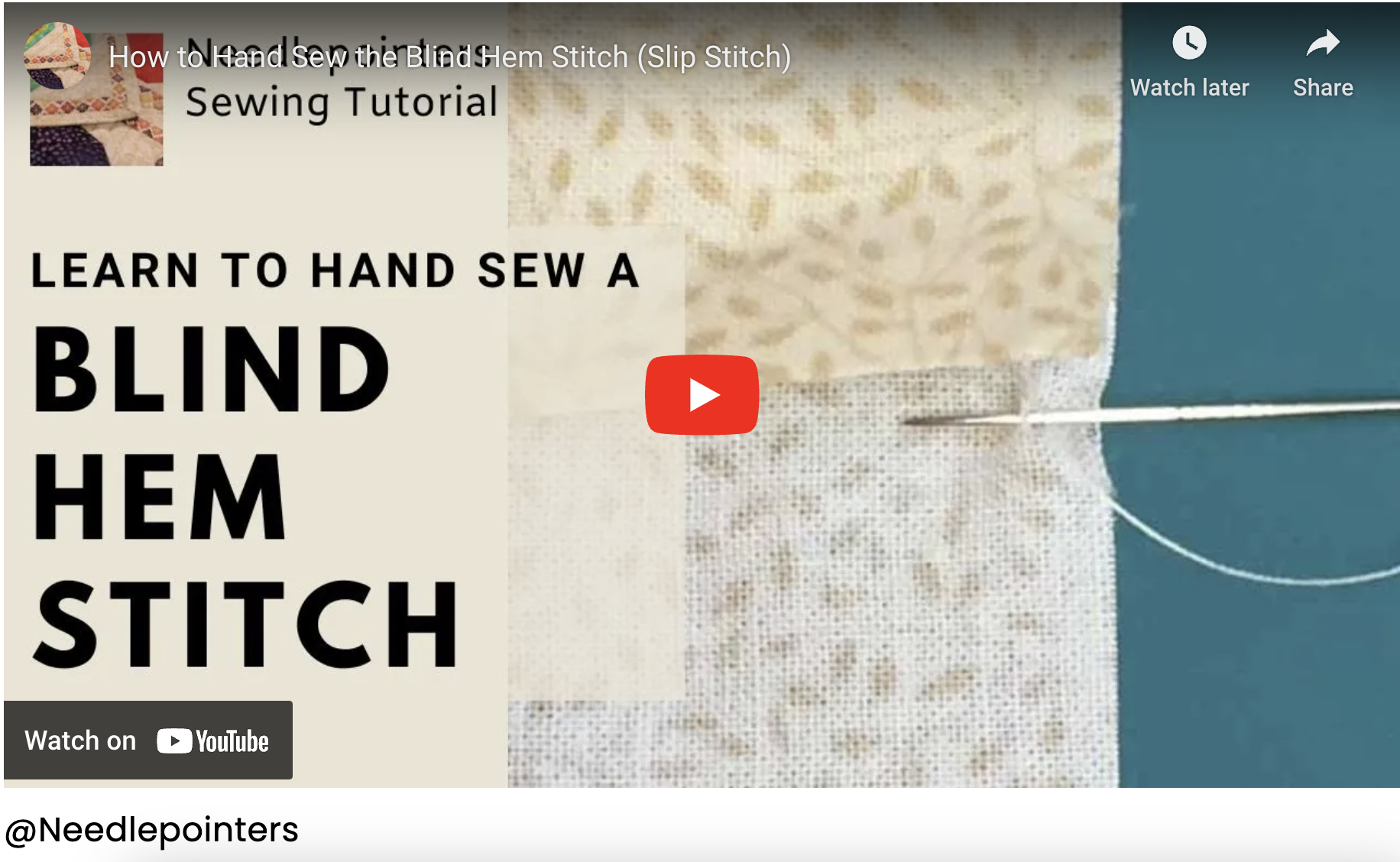
- Stitch forward (left side) – The machine sews one side of the buttonhole.
- Zigzag across (top bar tack) – It stitches across the top to close the loop.
- Stitch backward (right side) – The machine sews the second side.
- Zigzag across (bottom bar tack) – It completes the buttonhole.
- If using a manual four-step buttonhole, you will need to select each step manually.
4. Open the Buttonhole
- Place a pin across the top of the buttonhole to prevent over-cutting.
- Use small scissors or a seam ripper to carefully cut the center of the buttonhole, stopping at the bar tacks.
- If needed, use a fray check or fabric glue to secure the threads.
5. Test the Buttonhole with a Button
- Slide the button through the opening to ensure a good fit.
- If it’s too tight, slightly increase the buttonhole length in your machine settings.
- If it’s too loose, shorten the stitch length or adjust the buttonhole size manually.