
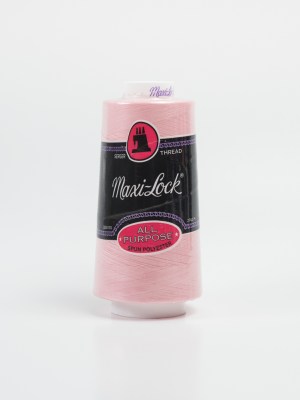
 Maxi-Lock Serger Thread 3000yds - Medium Pink
  Maxi-Lock Serger Thread 3000yds - Hacienda
  Maxi-Lock Stretch Serger Thread 2000yds - Lilac
  Maxi-Lock Stretch Serger Thread 2000yds - Purple
  Clover Pen Style Chaco Liner - Silver
 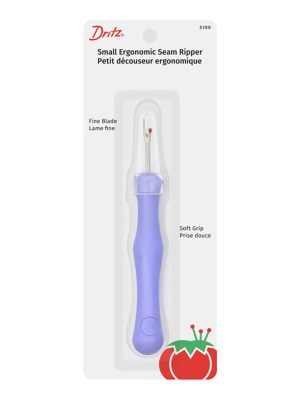 Dritz Small Ergonomic Seam Ripper - Purple
  Rit All-Purpose Box Fabric Dye - Cocoa Brown - 1 1/8oz
  Rit DyeMore Synthetic Fiber Dye - Sand Stone - 7oz Bottle
Finishing Raw Edges
@MsFrankenStitch
@TheClosetHistorian
@Cornelius Quiring
Step-by-Step Instructions:
Finishing your raw edges is what separates a homemade garment from a professional, high-quality piece. An unfinished woven edge will quickly fray in the wash, eventually destroying the seam and ruining the garment. There are several ways to secure these edges, depending on your fabric and equipment.
Materials Needed:
- Sewing machine
- Pinking shears (optional)
- Overcasting foot (optional)
- Serger/Overlocker (optional)
- Iron and pressing mat
Tips for Success:
- Always match your finishing technique to your fabric weight. Heavy finishes on sheer fabrics will cause the seam to look bulky.
- Test your chosen edge finish on a scrap piece of fabric before applying it to your actual garment.
1. Understand the Goal
- Woven fabrics fray because their intersecting threads can easily slide apart at the cut edge. The goal of finishing a raw edge is to either bind those threads together with additional stitching or enclose them entirely so they cannot escape.
2. The Pinking Shears Method
- The simplest finish requires no sewing. Pinking shears cut the fabric in a zigzag pattern. Because the threads are cut on the bias (diagonally), they are much less likely to fray. This works best on stable, tightly woven cottons that won’t see heavy washing.
3. The Zigzag Stitch Method
- Using a standard sewing machine, select a medium-width zigzag stitch. Sew directly along the raw edge of the fabric so the right swing of the needle goes just barely off the edge of the fabric. This wraps thread around the raw edge, locking the fibers in place.
4. The Overcasting Method
- Many modern machines have an overcasting (or overedge) stitch and a special corresponding presser foot. This stitch mimics a serger, creating a web of thread that binds the edge flat. The special foot has a small metal bar that prevents the fabric edge from curling while it is being stitched.
5. The French Seam Method
- For sheer or delicate fabrics, a French seam is ideal. You sew the seam first with the wrong sides of the fabric together, trim the allowance, then fold the fabric right sides together and sew a second seam. This completely traps the raw edges inside a neat, enclosed casing.
6. The Serger (Overlocker) Method
- The ultimate professional finish is achieved with a serger. This specialized machine uses 3 or 4 threads to loop over the raw edge while simultaneously using a built-in blade to trim away the excess fabric, creating a clean, industry-standard edge in seconds.
Top FAQs for Finishing Raw Edges:
Do I have to finish the edges of knit fabrics? +
No, knit fabrics do not fray because they are created from interlocking loops rather than woven threads. While finishing the edge of a knit with a serger or zigzag stitch can make the inside look neater, it is not structurally required.
What is the best edge finish for sheer fabrics? +
French seams are the gold standard for sheer or delicate fabrics like chiffon and organza. Because you can see through the fabric, you want the seam to look clean and fully enclosed without a messy zigzag stitch or bulky serger threads showing through.
Can I just use pinking shears for everything? +
While pinking shears are incredibly fast and easy, they are not a permanent anti-fray solution for garments that will be washed frequently, or for loosely woven fabrics (like linen) which will continue to shed threads even when pinked.
Should I finish the edges before or after sewing the seam? +
It depends on the pattern! If you are pressing a seam open, you must finish the raw edges of each fabric piece individually *before* or right after sewing the seam. If you are pressing the seam to one side, you can sew the seam first, then finish both raw edges together in one pass.
Do I need a serger to make professional-looking clothes? +
Not at all! While a serger is fast and looks like store-bought clothing, you can achieve incredibly high-end, professional results using a standard sewing machine by utilizing French seams, flat-felled seams, or bound edges (Hong Kong seams).
Why is my zigzag stitch bunching up the edge of the fabric? +
If the zigzag stitch is “tunneling” or rolling the edge of the fabric inward, the stitch is likely too wide or the tension is too high. Try using an overcasting foot, which has a small physical bar that holds the fabric flat while the needle swings over it.
