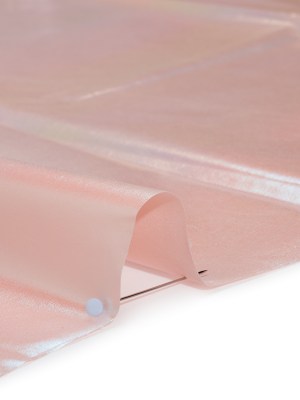
 Metallic Lame Jacketing - Pastel Rainbow Ombre Stripe on Baby Pink - Inez Collection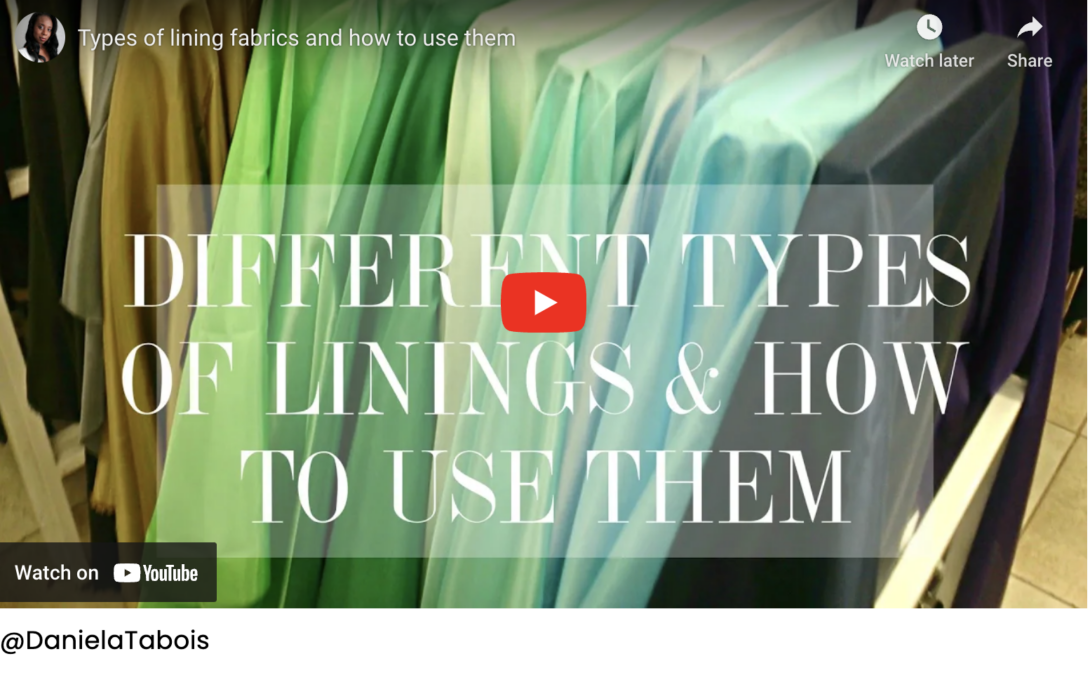
How to Sew in Lining
@DanielaTabois
@JulietUzor
@LoveNotions
Step-by-Step Instructions:
Inserting a lining into a garment is a great way to give your project a professional finish, add comfort, and extend its durability. Whether you’re lining a dress, skirt, jacket, or any other item, the process is similar.
Materials Needed:
- Lining fabric
- Main garment fabric
- Thread
- Pins or fabric clips
- Sewing machine
- Scissors
- Iron
Tips for Perfect Lining:
- Pattern Instructions: Always refer to your pattern instructions for specific lining steps, as they may vary depending on the design.
- Pressing: Keep pressing your lining and garment throughout the process to ensure a smooth, professional look.
- Practice: If you’re new to lining, practice on a small, simple project first to get comfortable with the technique.
1. Cut the Lining Fabric
- Use the same pattern pieces that you used for your garment to cut the lining fabric.
- If your pattern includes specific lining pieces, use those. Otherwise, cut the lining in the same size as the main fabric pieces, but often leaving out details like facings or collars, depending on the pattern instructions.
2. Assemble the Lining
- Sew the lining pieces together just as you would the main garment, following the same construction steps (e.g., sewing darts, side seams, and shoulder seams).
- Press all seams open as you go.
3. Finish the Lining Edges
- If the lining edges are exposed (like in the hem or sleeve area), finish them with a serger, zigzag stitch, or pinking shears to prevent fraying.
4. Attach the Lining to the Garment
- With the garment inside out and the lining right side out, insert the lining into the garment, matching seams and edges (e.g., shoulder seams, side seams, and armholes).
- Pin or clip the lining to the garment, ensuring that everything is smooth and aligned.
5. Sew the Lining to the Garment
- For a clean finish, sew the lining to the garment at the neckline, armholes, or along any facings, depending on your pattern.
- Sew around these areas, following the seam allowance specified in your pattern.
- Turn the garment right side out through an opening (often left at the hem or a side seam).
5. Sew the Lining to the Garment
- For a clean finish, sew the lining to the garment at the neckline, armholes, or along any facings, depending on your pattern.
- Sew around these areas, following the seam allowance specified in your pattern.
- Turn the garment right side out through an opening (often left at the hem or a side seam).
6. Understitching (Optional but Recommended)
- Understitching is when you sew the lining to the seam allowance close to the seam. This step helps the lining roll to the inside of the garment and keeps it from showing on the outside.
- To do this, press the seam allowance towards the lining and sew about 1/8 inch from the seam on the lining side.
7. Sew the Hem
- Finish the hem by either machine-sewing it or hand-stitching it for a cleaner look.
- For some garments, the lining hem is sewn separately from the garment hem to allow movement. In other cases, the lining and garment hems are sewn together.
8. Attach Lining at Zipper or Buttons
- If your garment has a zipper or buttons, sew the lining around these areas by hand or machine, tucking the raw edges inside for a clean finish.
- For zippers, you might need to slip-stitch the lining by hand to the zipper tape to keep it neatly in place.