

Sewing Machine Maintenance
@SingerSewingCompany
@ProfessorPincushion
@Seamwork
Step-by-Step Instructions:
Proper maintenance and troubleshooting are essential for keeping your sewing machine running smoothly and resolving common issues quickly. Learn how to clean, oil, and care for your machine, plus expert troubleshooting tips—perfect for beginners and experienced sewists.
Materials Needed:
- Sewing machine manual
- Sewing machine oil (as recommended by your manual)
- Soft lint brush or small paintbrush
- Microfiber cloth
- Wax-free dental floss
- Screwdriver (for removing needle plate)
- Clean, lint-free cloth
- Scrap fabric for testing
- Replacement needles
- Machine cover (for storage)
Tips for Effective Maintenance & Troubleshooting
- Always unplug your machine before cleaning or oiling.
- Refer to your manual for model-specific maintenance and troubleshooting.
- Clean your machine after every major project or at least monthly if used frequently.
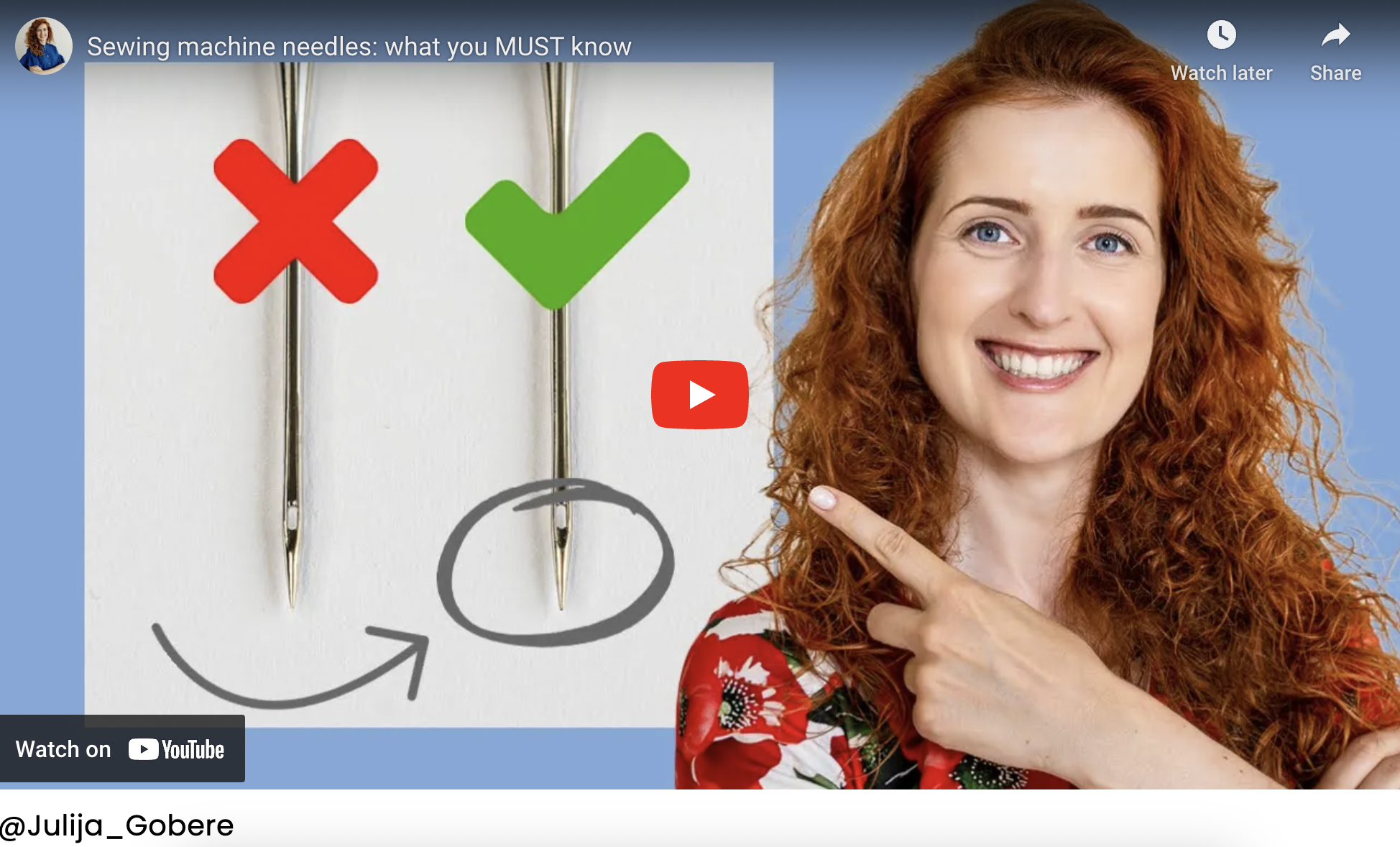
- Replace needles after every 8 hours of sewing or at the start of a new project.
- Use high-quality thread to reduce lint buildup and prevent tension issues.
- Avoid using compressed air, which can push debris deeper into the machine.
- Cover your machine when not in use to protect from dust.
1. Regular Maintenance
- Turn off and unplug the sewing machine.
- Remove the bobbin, bobbin case, needle, presser foot, and needle plate for better access.
- Use a soft lint brush or small paintbrush to gently remove lint and dust from the feed dogs, bobbin area, and tension discs.
- Raise the presser foot to release the tension discs and slide wax-free dental floss between them to remove trapped lint or thread.
- Consult your sewing machine manual to identify oiling points and the correct oil to use.
- Apply a drop of sewing machine oil to the designated areas—do not over-oil.
- Replace all removed components, ensuring each is correctly positioned and secured.
- Run the machine on a scrap piece of fabric to ensure smooth operation.
2. Troubleshooting Common Issues
- Thread tension problems: Check bobbin threading and adjust the upper thread tension dial gradually. Test on scrap fabric.
- Skipped stitches: Use the correct needle for your fabric, replace dull or bent needles, and check threading and tension.
- Fabric not feeding properly: Clean the feed dogs and check presser foot pressure.
- Thread bunching under fabric: Rethread both the top thread and bobbin, ensuring correct paths.
- Unusual noises: Stop and recheck all parts for proper placement and lubrication.
3. Preventive Strategies
- Start each sewing session by checking the needle and using quality thread.
- Clean lint after every project and test tension on scraps before beginning.
- Perform a deep clean of the bobbin area weekly and inspect threading paths and presser feet for damage.
- Select appropriate needles for each fabric and keep backup supplies ready.
More Sewing Techniques!


Top FAQs for this technique:
Clean your machine after every major project or at least once a month if used frequently.
Replace the needle, check threading, and adjust tension settings.
This is usually caused by incorrect threading—rethread both the top thread and bobbin.
Only use sewing machine oil recommended by your manual; household oils can damage your machine.